
 By
By 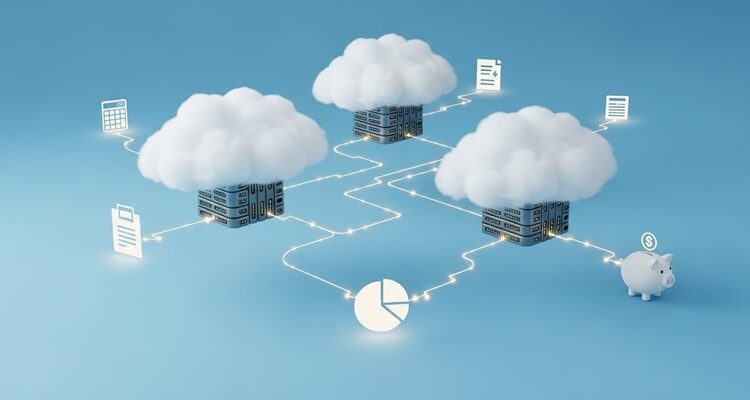
As businesses scale, financial oversight often becomes harder to maintain rather than easier. Multiple data sources, delayed reporting and reliance on manual processes can obscure visibility just when clarity matters most. This is why many organisations are reassessing how they manage accounts, with xero accounting software.
Cloud-based systems change how financial information is accessed, shared and reviewed. Instead of relying on periodic reports, decision-makers gain continuous insight into performance.
Moving From Historical Reporting to Real-Time Visibility
Traditional accounting processes often focus on what has already happened. Reports are produced weeks after month-end, limiting their usefulness for operational decision-making. Cloud accounting shifts this dynamic by making financial data available as transactions occur.
Real-time visibility allows management to track cash flow, expenses and revenue patterns without waiting for formal reporting cycles. This immediacy supports faster responses to issues such as cost overruns or unexpected revenue changes.
Centralised Data With Distributed Access
As organisations grow, finance functions often become fragmented. Different teams, locations or advisors may rely on separate systems or spreadsheets. Cloud platforms centralise financial data while allowing controlled access across the business.
This structure reduces duplication and inconsistency. Stakeholders can work from the same dataset, improving collaboration between internal teams and external advisers without compromising data security.
Supporting Better Financial Governance
Improved visibility also strengthens governance. Clear audit trails, automated controls and standardised processes reduce reliance on manual intervention. This can lower the risk of error and make compliance easier to manage across jurisdictions.
For businesses operating in multiple markets, consistent financial processes become increasingly important. Cloud accounting supports this consistency by standardising how transactions are recorded and reviewed, regardless of location.
Scalability Without System Overhaul
One challenge growing businesses face is outgrowing their accounting systems. Software designed for small operations can become restrictive as transaction volumes increase and reporting needs become more complex.
Cloud platforms are designed to scale. Additional users, integrations and reporting functions can be added without replacing the underlying system. This flexibility supports growth without disruption to core financial processes.
Integration With Wider Business Systems
Modern accounting no longer operates in isolation. Cloud platforms can integrate with payroll, inventory, invoicing and reporting tools, creating a more connected financial ecosystem.
These integrations reduce manual data entry and improve accuracy. When systems communicate effectively, finance teams spend less time reconciling information and more time analysing it.
Shifting the Finance Function’s Role
As processes become more automated and data more accessible, the role of finance teams changes. Rather than focusing primarily on data preparation, teams can spend more time on analysis and strategic support.
This shift supports better decision-making across the business. Financial insight becomes a regular input into planning rather than a retrospective review.
Cloud accounting is not just a technical upgrade. For growing businesses, it represents a shift towards greater transparency, control and responsiveness. By improving how financial information is captured and shared, cloud platforms support oversight that evolves alongside the organisation rather than lagging behind it.



















Comments