
 By
By 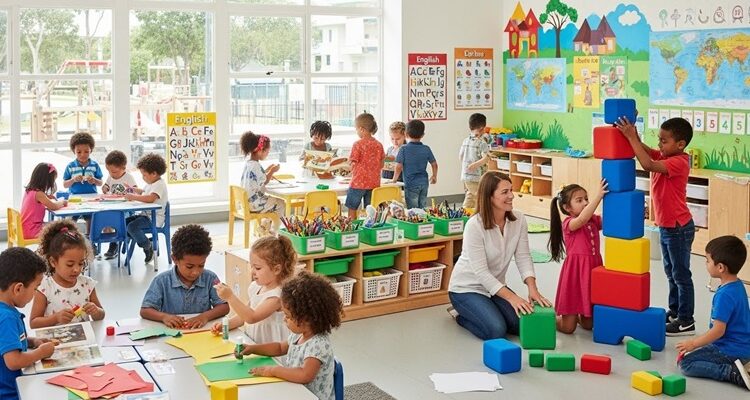
The move into kindergarten is often the first time children are expected to operate within a more structured social environment. This stage is less about academic readiness and more about how children learn to manage themselves within a group. For families exploring kindergarten in Bangkok, the most meaningful differences between settings often show up in how independence is encouraged rather than what content is taught.
Kindergarten sits at a transitional point. Children are no longer toddlers, but they are not yet expected to behave like older students. The way this transition is handled can shape attitudes towards learning for years to come.
Independence Develops Through Small, Repeated Choices
Children do not become independent by being pushed. They become independent by being trusted with manageable decisions. Kindergartens that allow children to choose activities, manage personal belongings, and resolve minor challenges help build confidence gradually.
These everyday choices teach children that they are capable. Over time, this sense of competence reduces reliance on constant adult direction and encourages problem-solving behaviour.
Structure Without Rigidity Supports Emotional Growth
Kindergarten environments work best when routines are clear but not inflexible. Predictable schedules help children feel secure, while room for variation allows them to adapt without anxiety.
Overly rigid environments can create compliance without understanding. Flexible structure, by contrast, supports emotional regulation by allowing children to practise adjusting to change in a supportive setting.
Social Learning Happens in the Gaps
Much of what children learn in kindergarten happens outside formal activities. Negotiating turn-taking, managing disappointment, and learning how to join group play all occur in unscripted moments.
Settings that allow time for free interaction give children space to practise social skills authentically. These experiences often have a greater impact on long-term confidence than teacher-led instruction alone.
Adult Guidance Shapes Self-Trust
The way adults respond to children’s attempts at independence matters. When educators step in too quickly, children learn to defer. When support is offered at the right moment, children learn to persist.
Effective kindergarten environments encourage educators to observe before intervening. This allows children to experience success and manageable failure, both of which are essential for developing self-belief.
The Link Between Confidence and Learning Readiness
Children who feel confident navigating their environment are more open to learning. They ask questions, participate willingly, and recover more easily from mistakes.
Confidence does not come from praise alone. It comes from repeated experiences of being capable. Kindergarten settings that prioritise independence indirectly support academic readiness by strengthening emotional foundations.
Why Transitions Matter More Than Outcomes
Families often focus on outcomes when choosing kindergarten, yet transitions are just as important. How children arrive, settle, and move on to the next stage influences how they perceive school as a whole.
A kindergarten that supports smooth transitions helps children see learning as a positive and manageable part of life, rather than something imposed.
Choosing a Setting That Builds Capability
The most effective kindergartens are those that quietly prepare children for what comes next by supporting who they are now. Independence, confidence, and emotional resilience develop through thoughtful design rather than accelerated expectations.
When kindergarten environments trust children with responsibility and guide them with patience, they help shape learners who are secure, adaptable, and ready to engage with the wider world.


















Comments